

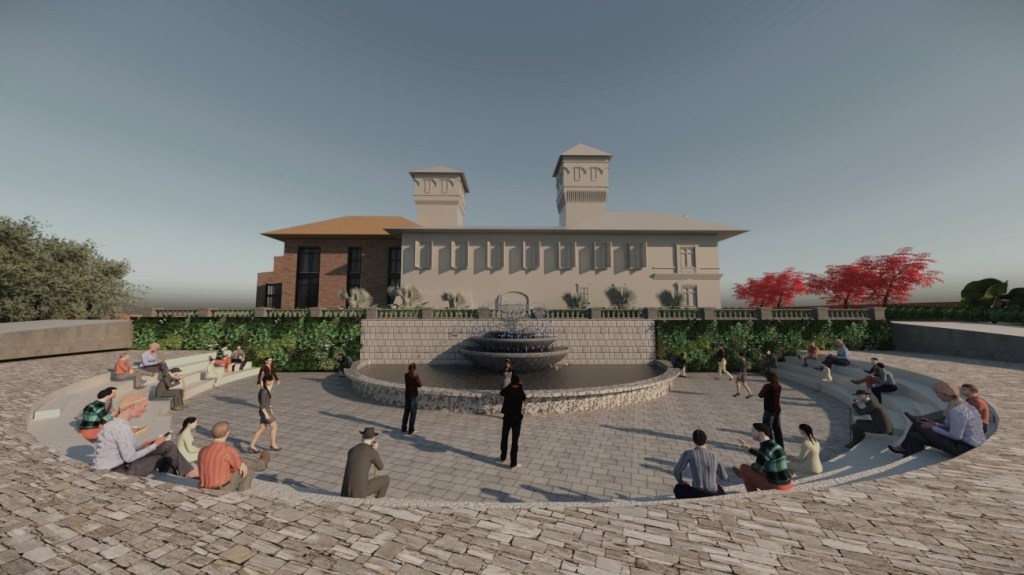
The Castello Abbaziale di Montanaro, a medieval Italian castle in Montanaro, Piemonte, Italy, is undergoing a transformation. This historic gem, currently under municipal ownership, faces limited activity and significant deterioration. The vision is to turn it into a vibrant cultural centerpiece in Piemonte, showcasing art, hosting diverse cultural activities, creating a children’s art park, and organizing outdoor concerts. The castle’s original architectural heritage will be respected throughout this process, preserving its aesthetic charm.
Located in Montanaro, Piemonte, Italy (2020), the Castello Abbaziale di Montanaro, a medieval Italian castle, currently under municipal ownership, faces the challenge of limited activity and significant deterioration in many of its halls due to neglect.
The vision is to transform this historical gem into a vibrant cultural centerpiece in Piemonte. This transformation will involve curating and exhibiting important artistic masterpieces, hosting a diverse range of cultural activities, establishing a children’s art park, organizing outdoor concerts, and much more. Throughout this endeavor, utmost respect will be paid to the castle’s original architectural heritage, which, in itself, serves as a remarkable exhibit.

Concept
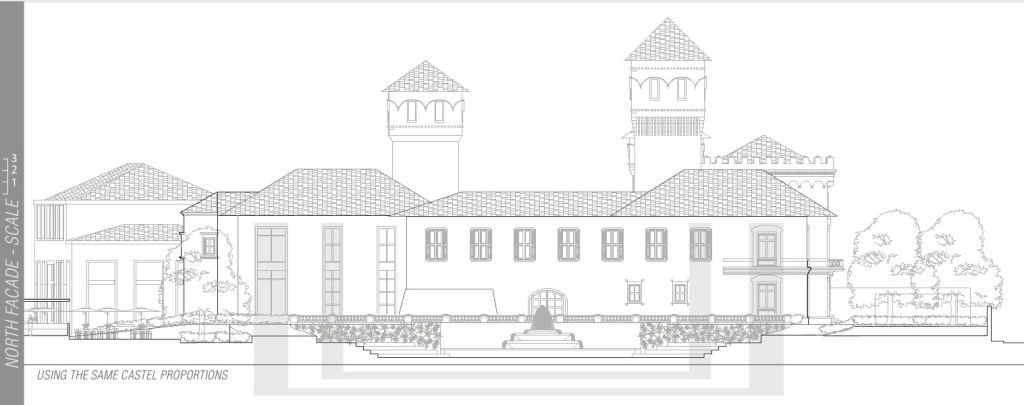
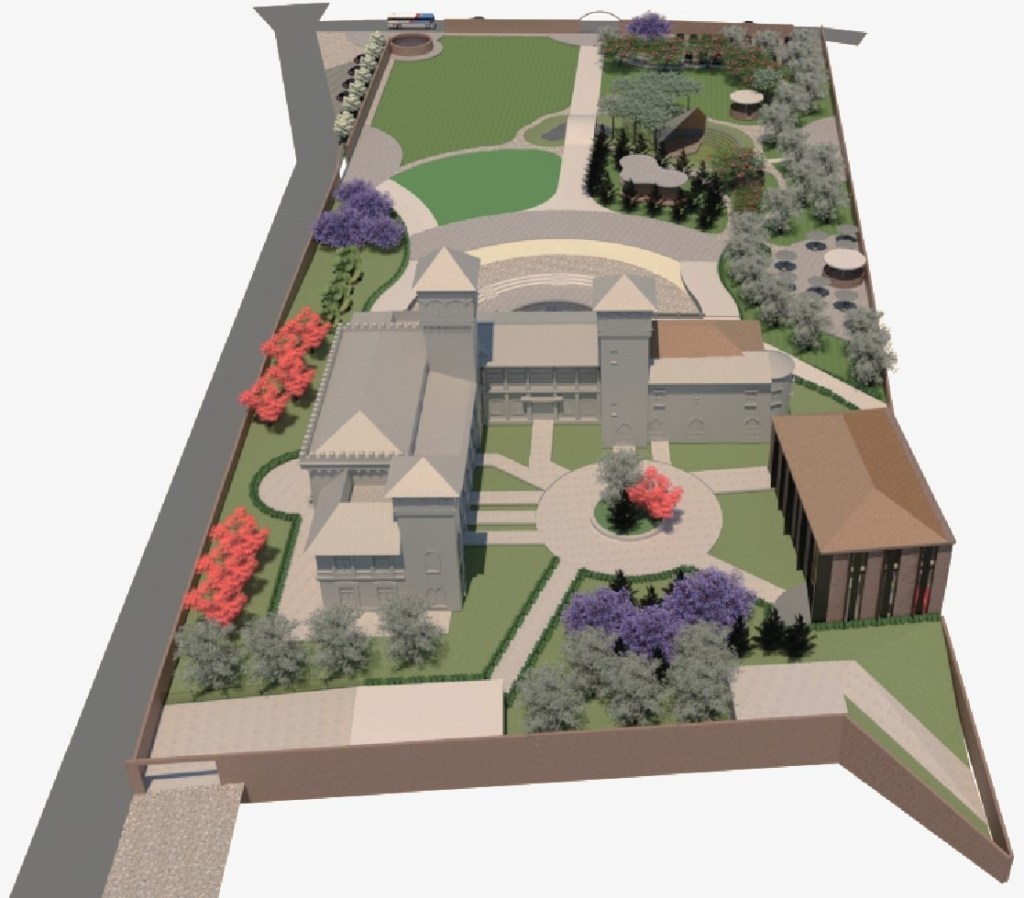
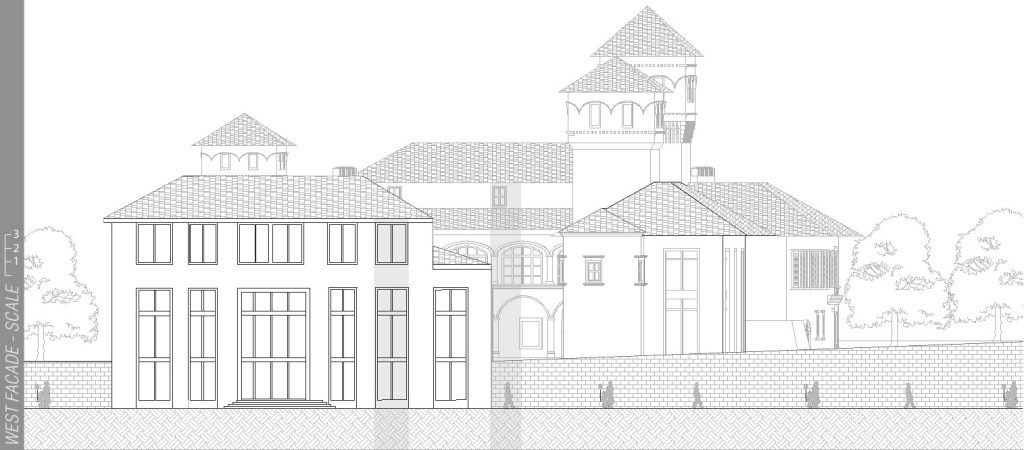
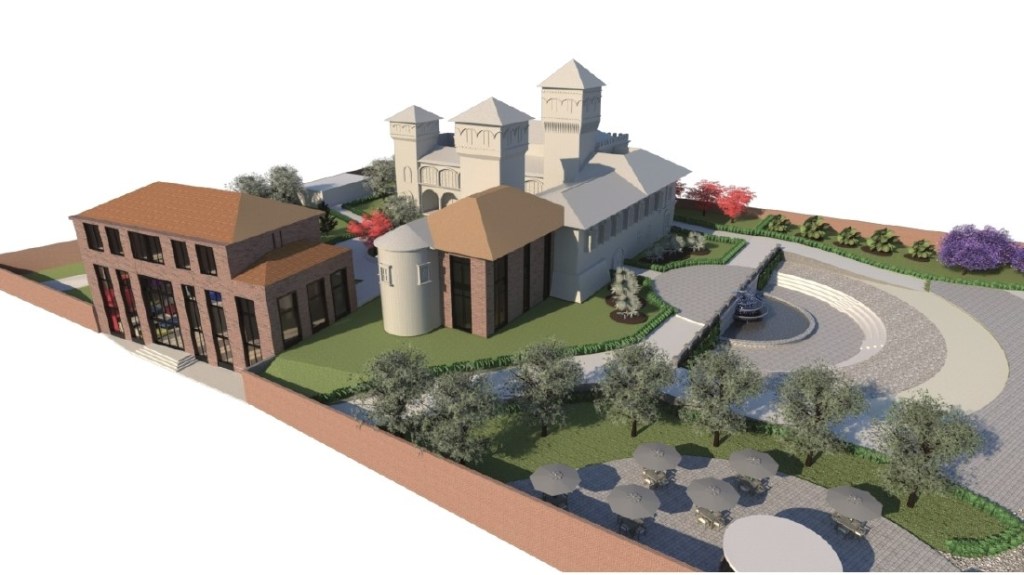
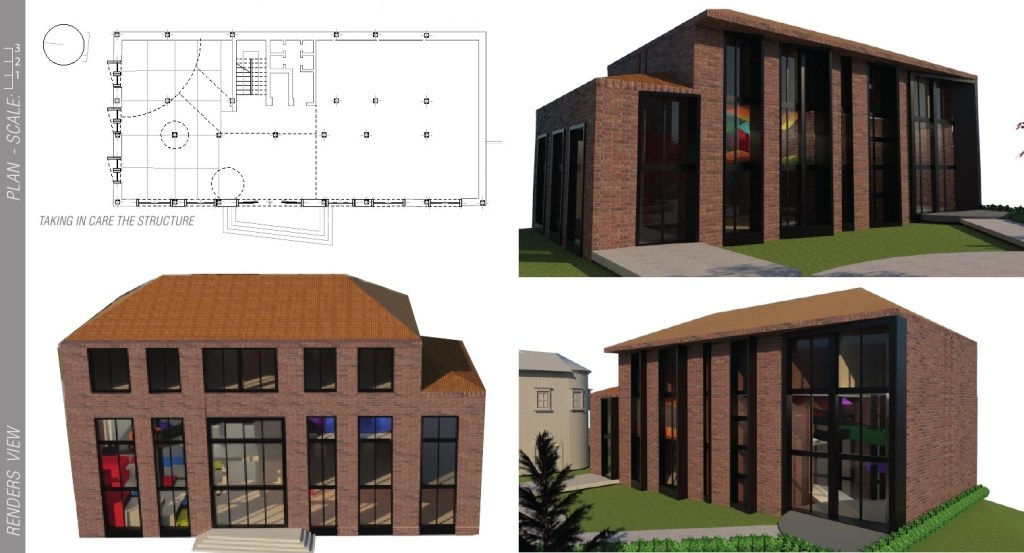
The overarching concept revolves around the evolution of art, divided into three distinctive stages. The first stage encompasses the entirety of art history leading up to the Beaux Art Academy, with its designated space within the castle’s main entrance, the most impeccably preserved section of the edifice. The second stage, dedicated to avant-garde art movements, finds its place in a new building on the site and seamlessly integrates with the outdoor areas, creating a fluid transition space symbolizing the avant-garde’s boundary-pushing nature. Finally, the third stage focuses on Contemporary art and occupies a newly constructed annex attached to the castle. This addition replaces the existing, non-historic service area, which is currently in a state of disrepair. The new structure is designed to be symmetric, neutral, and harmonious, complementing the castle while preserving its aesthetic charm.


 UGUZZONI ARCHITETTI